Culture is what people do next
Convene Associates CEO Courtney Ellul on what a viral dance and Gen Alpha can teach leaders about how culture moves, and how to build a culture system people can read.
4–6 minutesThe software changed. The shift didn’t.
Former CQC Registered Manager Mafalda Carvalho on what a care software rollout taught her about technology and AI adoption, and six practices that help frontline teams use new tools.
6–9 minutesWhy Culture Budgets Are Moving from Perks to Performance
TeamBonding founder David Goldstein on how to give culture budgets a purpose this fall, from choosing what teams need to practice to measuring what changes afterward.
3–5 minutesIs time running out for the employee engagement survey?
Employee engagement surveys have dominated HR for decades. Culture15 founder Charlie Coode argues behaviour may be a better measure for the AI era.
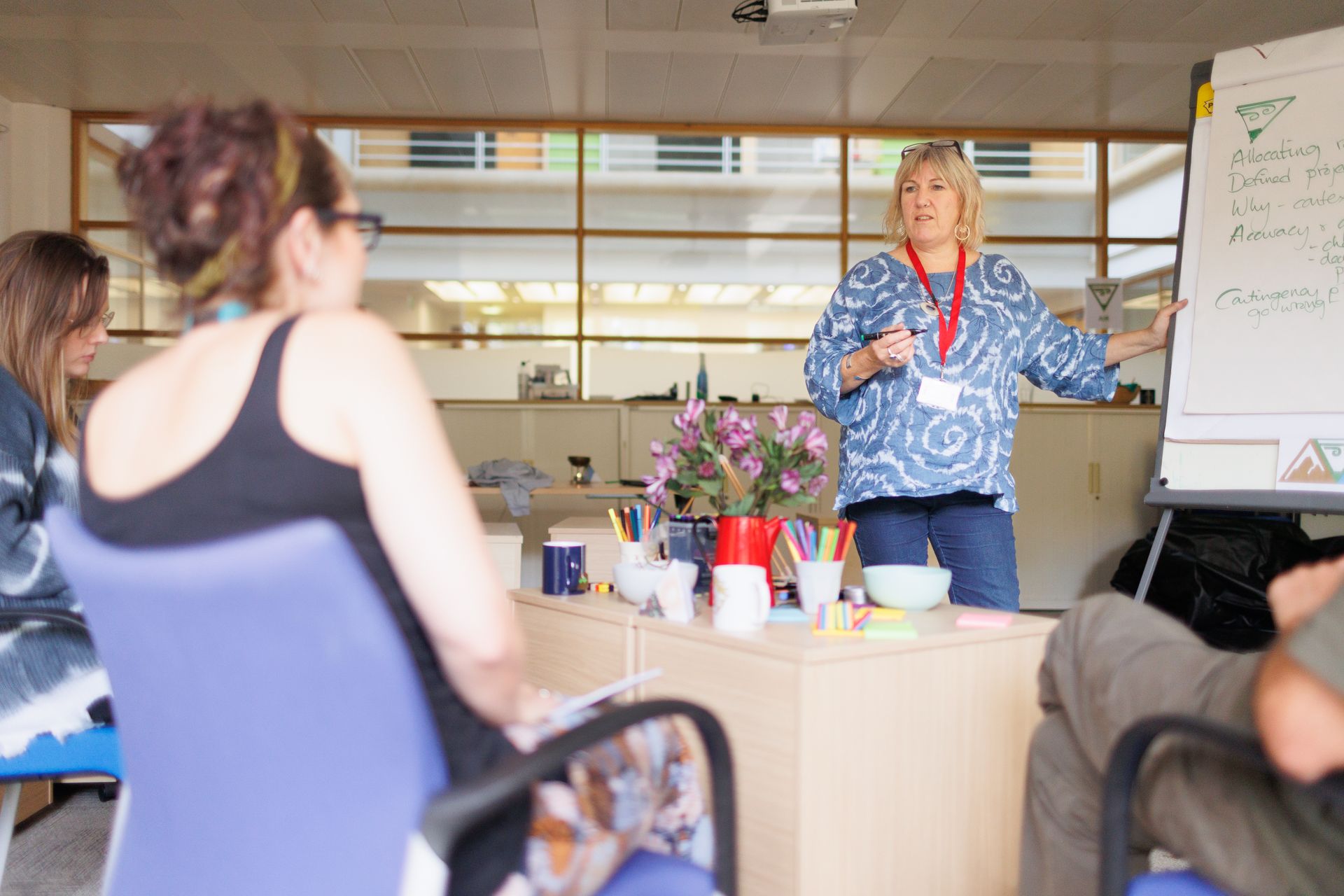
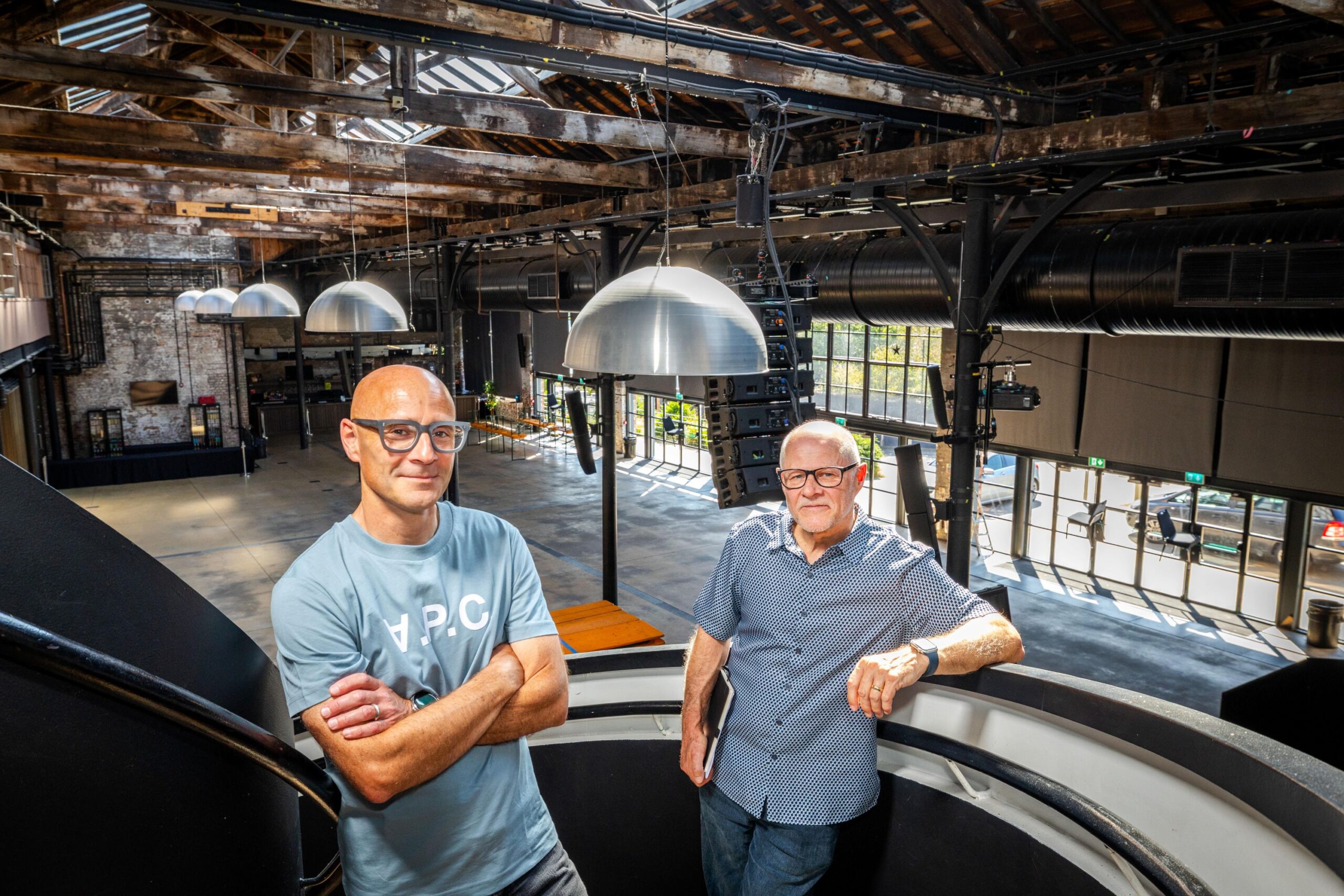
5–7 minutesWork Beyond Walls – Enough with the return-to-office debate; what if we ran a live experiment?
Work Beyond Walls turns Newcastle’s Boiler Shop into a live workplace experiment, asking what makes an office worth the journey.
3–5 minutesThe recognition gap: are we solving for the right thing?
There is a familiar moment in employee experience work when the engagement survey closes. The comments are read, themes are lifted into a narrative, and it is no great surprise when recognition surfaces as one of them. What usually follows is a hive of activity around recognition programmes. Either a relaunch of the one that…
4–6 minutesTop 5 HR, EX and People Awards in the UK for 2026
In the rapidly evolving landscape of the modern workplace, the focus on Employee Experience (EX) and Employee Engagement has transitioned from a “nice-to-have” to a strategic imperative. As we navigate 2026, the benchmarks for what constitutes an exceptional workplace continue to rise. For organizations and leaders, securing a prestigious award is more than just a trophy on a mantle;…
3–4 minutesSabio Group Strengthens Operating Board with Key CCO and CPO Appointments
Sabio Group, the AI-focused customer experience transformation specialist, has reinforced its leadership team with the appointment of Mark Starkey as Chief Commercial Officer (CCO) and Katherine Watkins as Chief People Officer (CPO). The dual appointments signal a strategic move by the firm to align its global commercial growth objectives directly with a robust people strategy, necessary for managing rapid…
1–2 minutesZellis Group Acquires Hastee to Bolster HR and Payroll Offerings
Zellis Group, a prominent provider of AI-enabled HR, workforce management, payroll, and benefits solutions, has announced its acquisition of Hastee, a financial wellbeing platform. This strategic move aims to integrate earned wage access, financial education, and money management tools directly into Zellis’s existing portfolio, enhancing its employee wellbeing proposition. The acquisition reflects Zellis Group’s focus…
1–2 minutesTesla’s Company Culture: A Catalyst for Innovation and Global Success
Tesla, Inc. has established a distinctive company culture that fuels its success in the global automotive and energy industries.
3–4 minutesTrompenaars’ Seven Dimensions of Culture: A Plain-English Guide
The Trompenaars Cultural Dimensions Model distinguishes cultures by examining their preferences across seven key dimensions.
10–15 minutesUnderstanding The CAGE Framework – Tips, Tricks & Best Practices
This article explores the CAGE Distance Framework, a valuable tool for understanding how market factors impact expansion into new regions.
6–9 minutes







Most Read
Advertisement

The fortnightly read for people building employee experience.
For the senior people in HR and EX, and those on their way there.
Advertisement