Emotion Recognition at Work Is Now Illegal in the EU. The Rest of the World Is Still Deciding
Emotion recognition at work is banned under EU law. Here’s the test HR leaders everywhere can use before any monitoring tool goes live.
4–6 minutesThe AI Upskilling Wave: Why HR Must Lead Skills Strategy Before the Gap Widens
AI upskilling is moving from an HR initiative to an enterprise skills strategy. SHRM and Gallup data show why managers, plans and support matter.
7–10 minutesThe mental load advice FALLING on the people already carrying the most
Every fix for mental load adds work, and it all lands on managers. The useful question is what gets taken away, and why nobody in the business owns removal.
6–8 minutesAI Anxiety in the Workplace: Why the Fear of Becoming Obsolete Is Forcing a New Approach to Employee Experience
Artificial intelligence is no longer a distant corporate roadmap item. It is a present reality that is fundamentally altering how people view their careers. The concept of AI anxiety in the workplace is now a measurable phenomenon, not just a feeling. For decades, HR leaders relied on engagement surveys to measure the health of…
4–6 minutesAI attribution alone cuts discretionary effort by 13%, and your engagement survey won’t catch it
A Brookings study finds discretionary effort falls 13% when work is labelled AI-made, while task meaning barely shifts. Your survey won’t see it.
3–4 minutesKPMG rebuilds early careers training for a generation AI never lets do the grunt work
KPMG put close to 1,000 interns through rebuilt early careers training this year, betting judgement can be taught once AI has done the reps.
3–5 minutesThe AI wage premium hit 62%, and pay growth in AI-exposed jobs is falling behind
Two numbers arrived within a week of each other, and they point in opposite directions. PwC's 2026 Global AI Jobs Barometer puts the AI wage premium at 62%, which is what employers pay extra for roles that ask for AI skills by name. Then Apollo Global Management ran the numbers on 321 US occupations and…
5–8 minutesThe Four-Day Work Week: Who Has Stuck With It and Who Reverted
It’s incredible really that around 2.7 million people in the UK now work a four-day week, roughly one in nine of the workforce. And that’s just the UK too. This is a look under the bonnet of the companies around the world really making it work. The 4 day work week has moved from fringe…
5–7 minutesFive Companies with the ROI to Prove that Employee Experience and employee retention Investment Pays Off
For years, HR leaders have faced a familiar hurdle. Boards ask for proof before funding employee experience programs. It’s often not until employee retention becomes a big crisis that such EX initiatives are taken seriously. It can also be notoriously difficult to measure and prove ROI. But the good news is that skepticism is fading…
4–5 minutesReturn to Office Is Finally Working. Just Not the Way You Think.
Every boardroom conversation eventually lands on return-to-office mandates. Leaders debate badge swipes, monitor compliance reports, and wonder why top performers push back against rigid desk quotas. Across industries, executives treat attendance policies as enforcement challenges. Building trust in workplace settings requires a completely different operational playbook. A select group of organisations approaches the problem from…
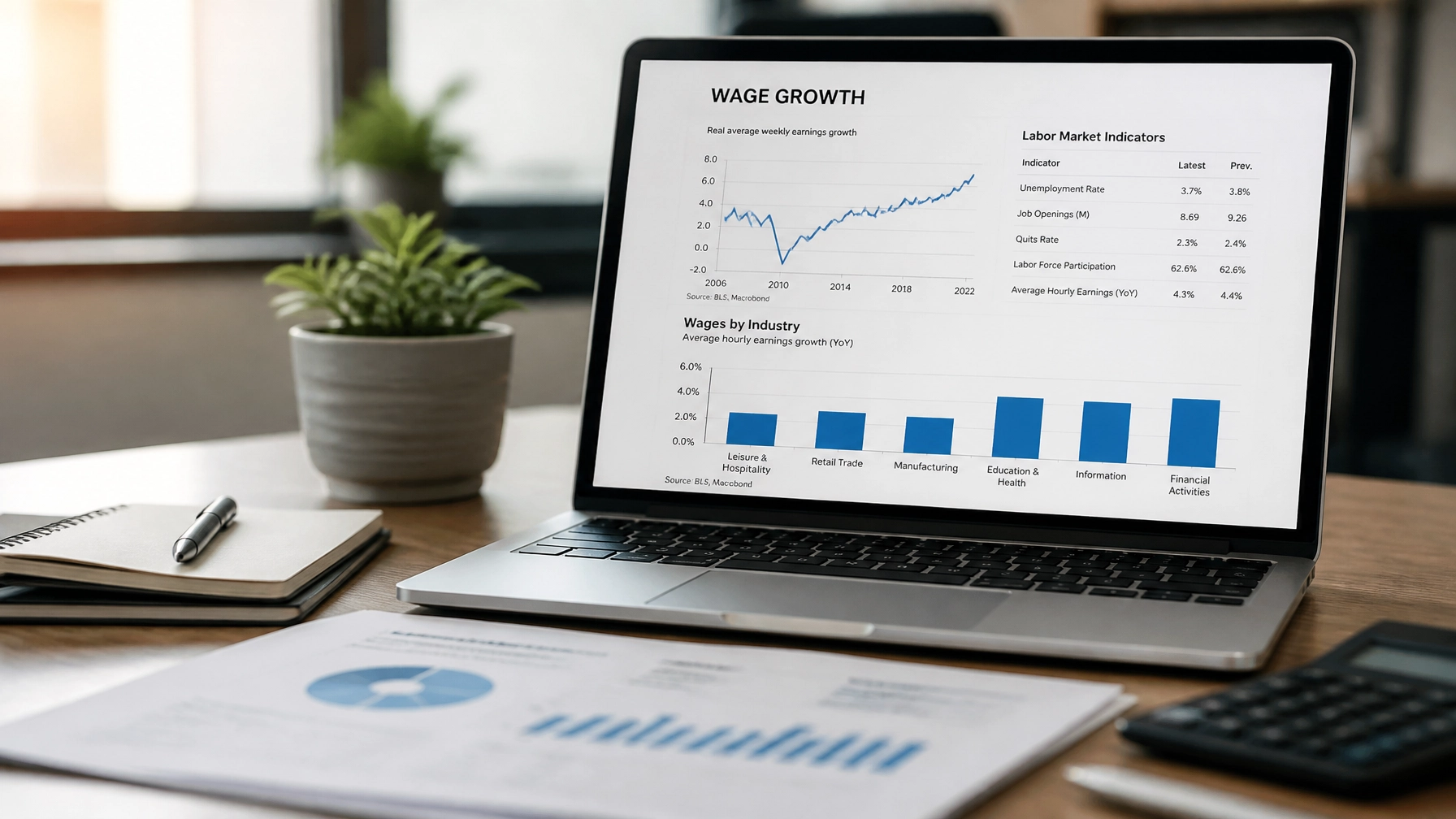
4–6 minutesReal Wages Are Nearly Back to Growth. What the Latest Data Means for Business and Employees.
After two years of pay packets losing ground to rising prices, the gap on wages is starting to close. The latest official data from both sides of the Atlantic, covering the period to mid-2026, suggests that real wages are approaching a turning point. For HR leaders and business owners, this is welcome news and the…
3–4 minutesThe Internal Mobility Success Playbook: How Leading Companies Keep and Grow Their Best Talent
The Reality of Internal Mobility A newly hired external manager lands in the role one of your strongest internal people wanted. Within days, that new leader needs help with systems, stakeholders, and basic ways of working. The employee who lost out ends up doing the translation. That is the part many executive teams miss. External…
4–6 minutes










Most Read
Advertisement
The fortnightly read for people building employee experience.
For the senior people in HR and EX, and those on their way there.
Advertisement