Is time running out for the employee engagement survey?
Employee engagement surveys have dominated HR for decades. Culture15 founder Charlie Coode argues behaviour may be a better measure for the AI era.
5–7 minutesWork Beyond Walls – Enough with the return-to-office debate; what if we ran a live experiment?
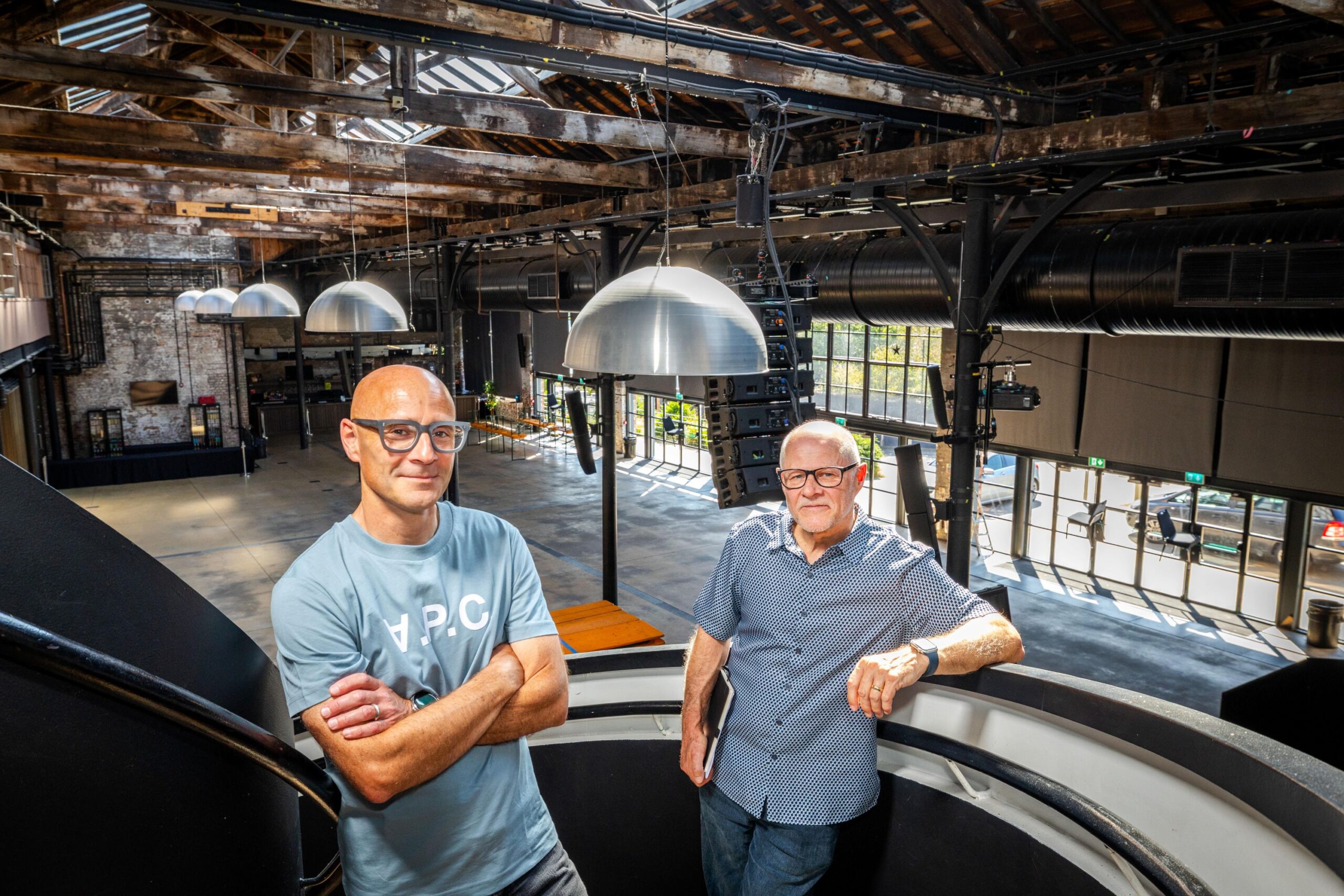
Work Beyond Walls turns Newcastle’s Boiler Shop into a live workplace experiment, asking what makes an office worth the journey.
3–5 minutesThe recognition gap: are we solving for the right thing?
There is a familiar moment in employee experience work when the engagement survey closes. The comments are read, themes are lifted into a narrative, and it is no great surprise when recognition surfaces as one of them. What usually follows is a hive of activity around recognition programmes. Either a relaunch of the one that…
4–6 minutesSabio Group Strengthens Operating Board with Key CCO and CPO Appointments
Sabio Group, the AI-focused customer experience transformation specialist, has reinforced its leadership team with the appointment of Mark Starkey as Chief Commercial Officer (CCO) and Katherine Watkins as Chief People Officer (CPO). The dual appointments signal a strategic move by the firm to align its global commercial growth objectives directly with a robust people strategy, necessary for managing rapid…
1–2 minutesZellis Group Acquires Hastee to Bolster HR and Payroll Offerings
Zellis Group, a prominent provider of AI-enabled HR, workforce management, payroll, and benefits solutions, has announced its acquisition of Hastee, a financial wellbeing platform. This strategic move aims to integrate earned wage access, financial education, and money management tools directly into Zellis’s existing portfolio, enhancing its employee wellbeing proposition. The acquisition reflects Zellis Group’s focus…
1–2 minutesTesla’s Company Culture: A Catalyst for Innovation and Global Success
Tesla, Inc. has established a distinctive company culture that fuels its success in the global automotive and energy industries.
3–4 minutesUnderstanding Trompenaars Cultural Dimensions – A Complete Guide
The Trompenaars Cultural Dimensions Model distinguishes cultures by examining their preferences across seven key dimensions.
6–9 minutesUnderstanding The CAGE Framework – Tips, Tricks & Best Practices
This article explores the CAGE Distance Framework, a valuable tool for understanding how market factors impact expansion into new regions.
6–9 minutesThe Company Culture at Amazon
The company culture at Amazon has been a subject of study for so many years now, and we delve into the distinctive work culture at Amazon.
6–9 minutesThe Company Culture at Microsoft
Company culture at Microsoft has successfully transformed with revamping their employee review process and interdepartmental relationships.
5–8 minutesHard and Soft HRM Approaches: A Comparison
Hard and Soft HRM Approaches are two different ways that HR managers take to operate the business and manage the employees. If you have ever wondered which approach best suits your managerial style, keep reading the following article to get informed on these two approaches, features, and advantages and disadvantages of both. What are hard…
4–6 minutesA Model For Managing Complex Change In Small Businesses
Managing complex change involves managing people as well as creating and carrying out a plan.
6–10 minutes









Most Read
Advertisement
The fortnightly read for people building employee experience.
For the senior people in HR and EX, and those on their way there.
Advertisement